
Mother / Warrior: the strength of the Japanese Onna-Musha.
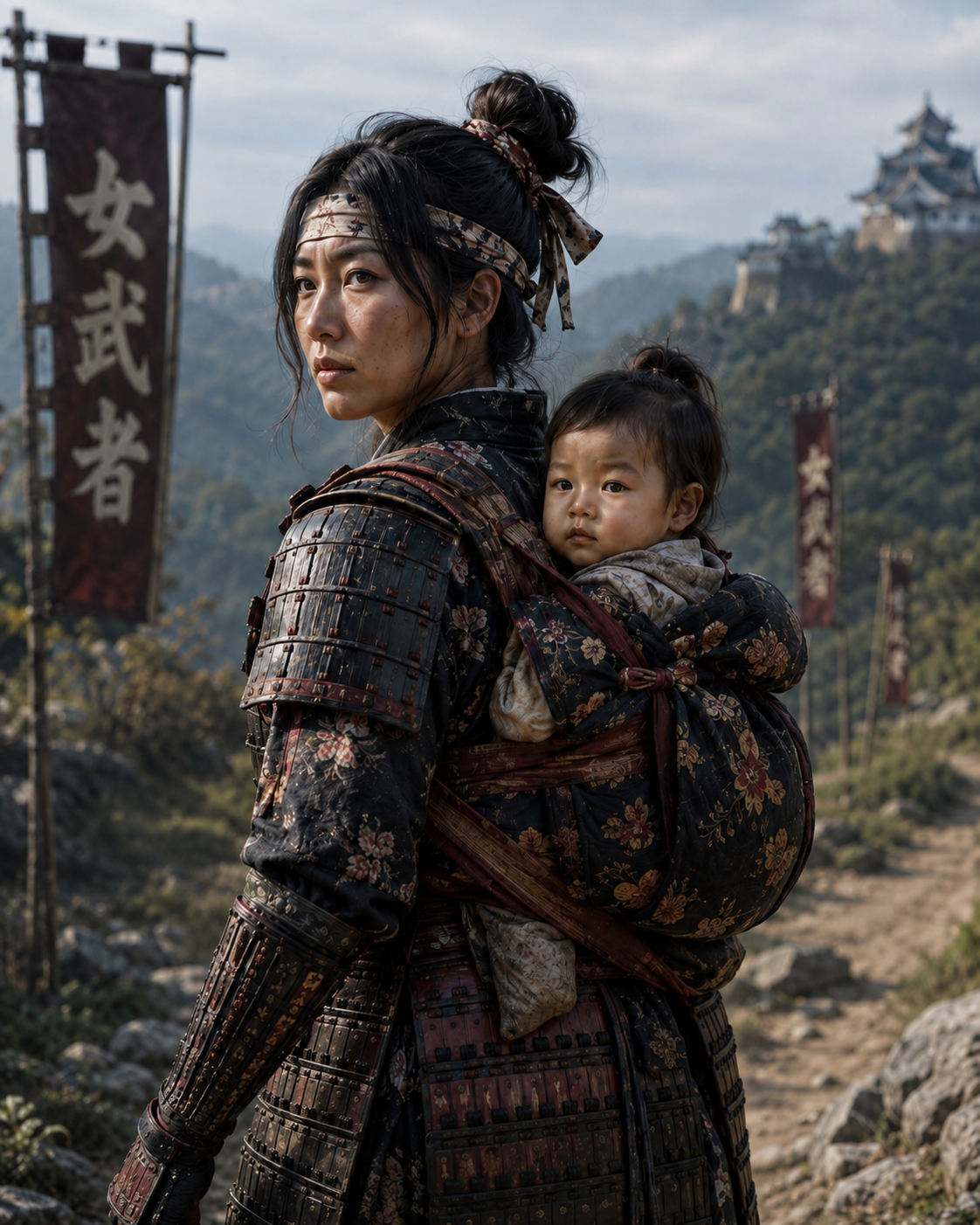
Long before modern ideas of balance between motherhood and ambition, the women known as onna-musha lived both worlds simultaneously. Caregivers, household leaders, and protectors, the onna-musha (女武者) were women of Japan’s warrior class who embodied a remarkable balance of strength and care.
Members of Japan's warrior class from the Heian period (794–1185) through the nineteenth century, these women were trained and entrusted to protect their homes, families, and territories while men were away at war. While history often remembers them for their skill with the naginata and bow, much of their role existed beyond battle, as they simultaneously managed households, raised children, preserved family traditions and oversaw estates.
From the legendary Tomoe Gozen (c. 1157–1247), who fought during the Genpei War in late Heian Japan, to Hangaku Gozen, who defended a fortress during the Kennin Rebellion in 1201. Centuries later, Nakano Takeko (1847–1868) led a women's fighting unit during the Battle of Aizu in Fukushima, becoming one of the last great onna-musha in Japanese history.
Their stories remind us that nature and strength have never been opposites, they have always existed side by side. The warrior spirit of the onna-musha was not defined solely by combat. It lived in daily acts of protection, resilience, leadership, and devotion to family.
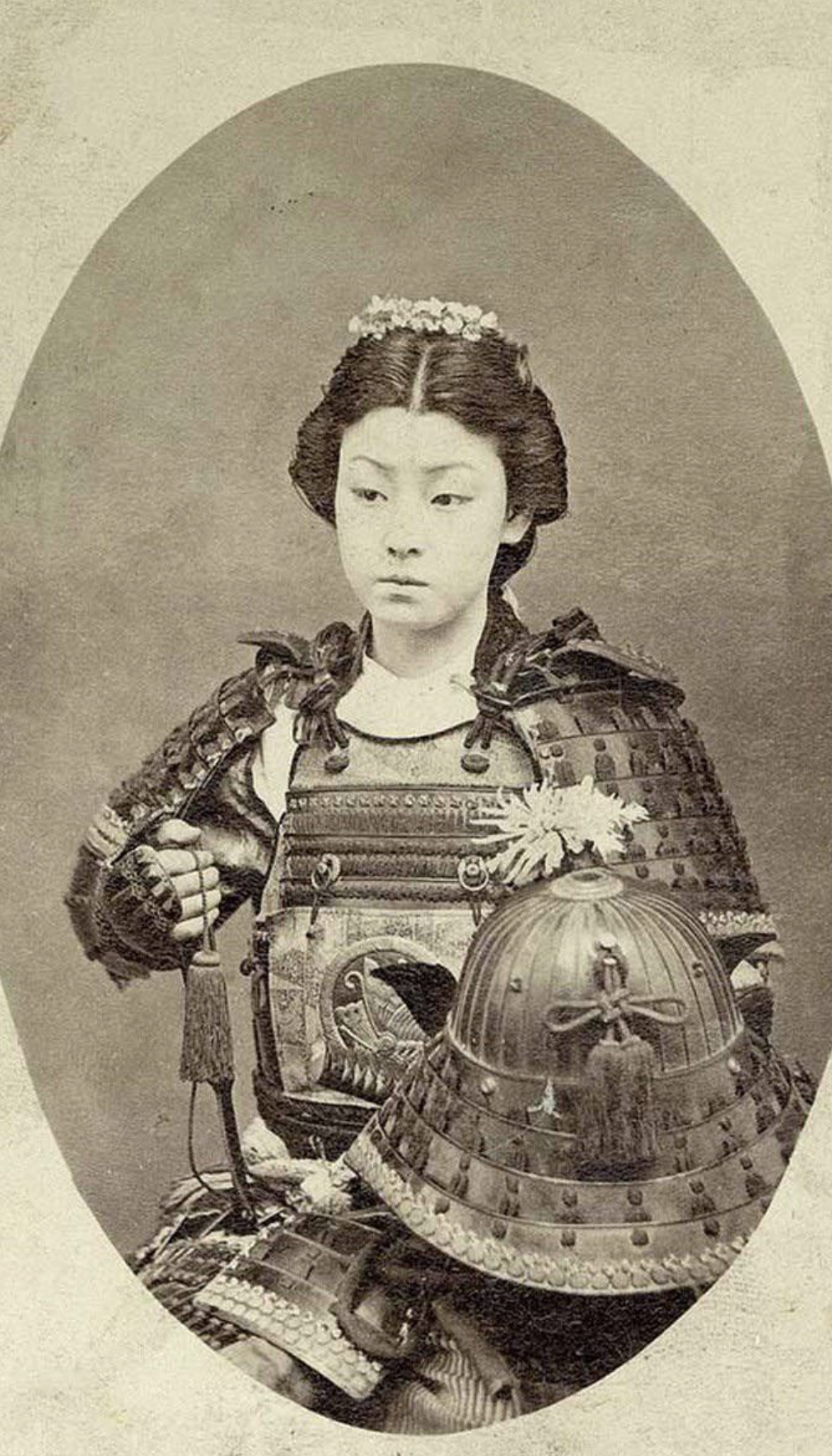
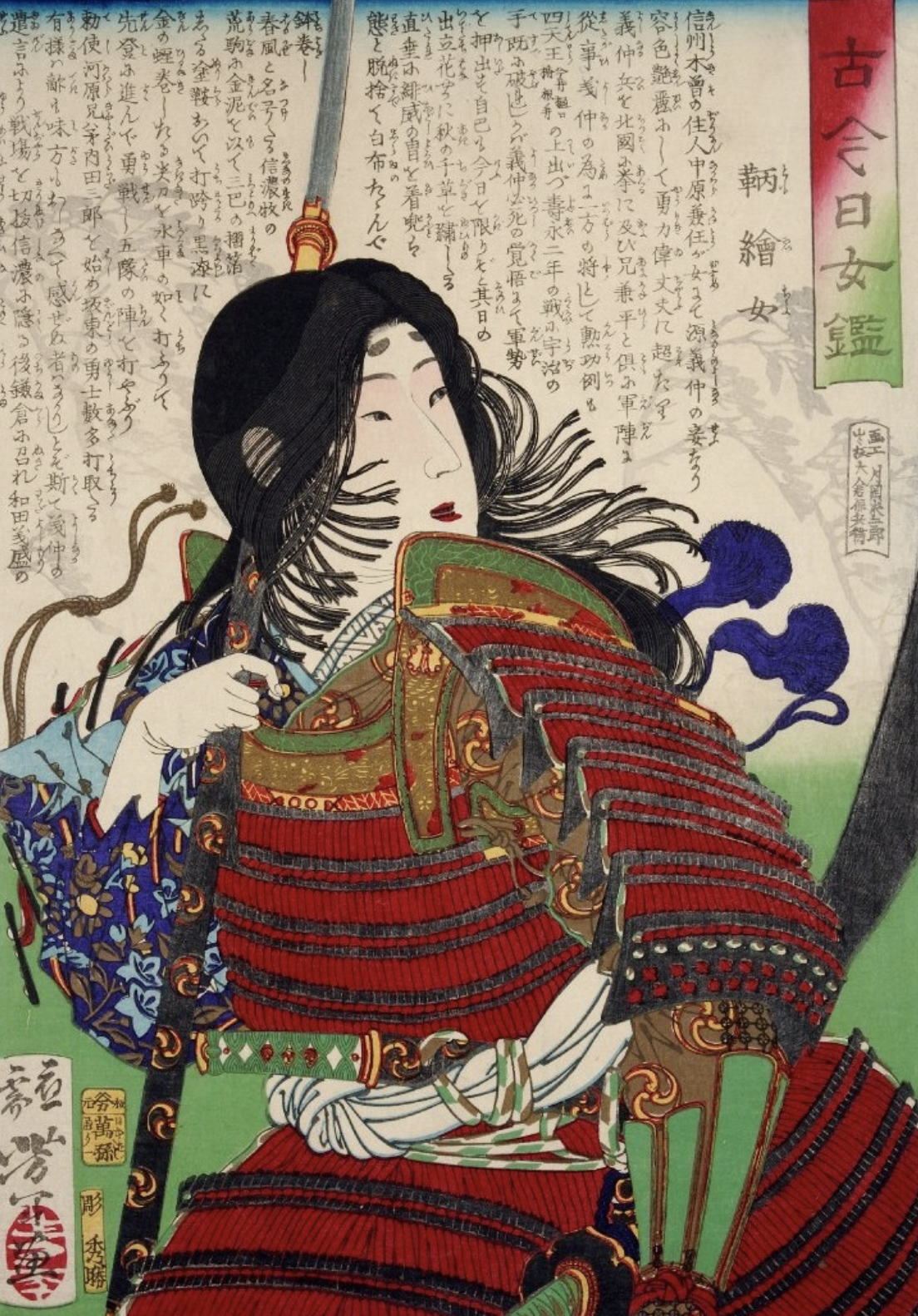
Tomoe Gozen, a legendary Onna-Musha, known for fighting during the Genpei War (1180-1185)